No heat in Austin
Connect with a local HVAC pro in Austin
Tell us what you need. We connect you with an independent local pro. Free, and no obligation to hire.
Area served: Austin, TX and ZIP codes 78703, 78705, 78712, 78756, 78751, 78701, 78722, 78746.
Gas smell or sparks? Leave the house and call 911 first.
For a gas smell, flooding or sparks, call 911 or your utility first.
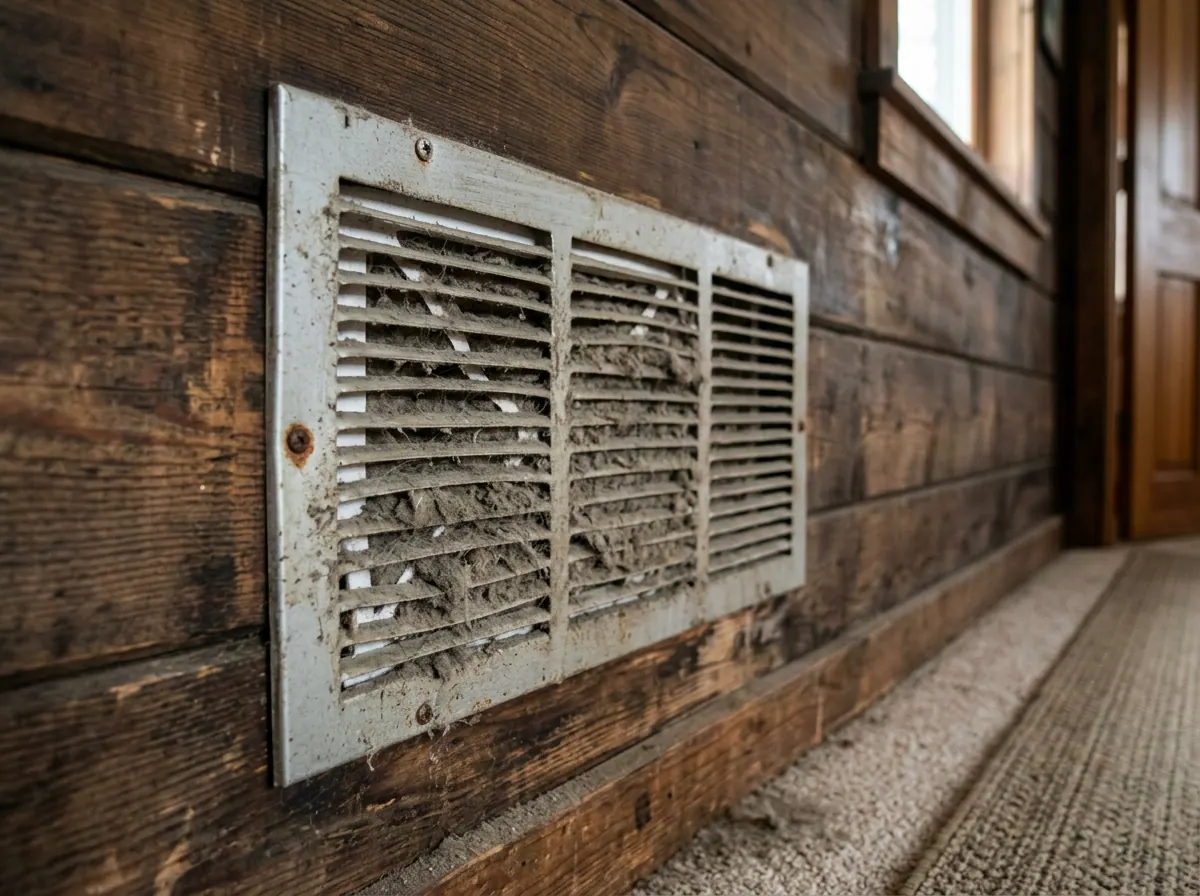 Representative photo
Two minutes before you send it
- Check the thermostat batteries and that it is set to heat.
- Check the furnace filter and that the furnace switch near the unit is on.
- If you smell gas, leave the house and call your gas utility from outside before anything else.
Most requests start like this
- No heat at all
- Heat comes and goes
- Furnace clicks but won't light
- Loud or strange noise
Send it as is. You can add the details right after, and they go straight into your request.
Get ConnectedHow it works
- 1
Tell us about your job
Pick the service and enter your ZIP code.
- 2
Get connected
We send your request to a local pro in your area.
- 3
You decide
Talk it over, get a price, and hire only if it fits.
Austin facts that shape the job
- By the NOAA 1991-2020 normals, winters in Austin add up to about 1,442 heating degree days. Measured at the Austin-Camp Mabry (TX) station. Of the 56 other cities in this network, 10 have a lower heating load; the nearest figure is San Antonio, TX's. Winters at that level put most of the year's wear on the heating side.Source: NOAA NCEI U.S. Climate Normals 1991-2020, station USW00013958, checked 2026-10
- Austin's current technical codes are the 2024 IBC, IRC, IECC, IEBC, Uniform Mechanical Code and Uniform Plumbing Code with local amendments effective July 10, 2025, plus the 2023 NEC, with the 2026 NEC effective September 1, 2026.Source: www.austintexas.gov, checked 2026-10
- FEMA's National Risk Index lists Travis County, TX as relatively moderate for cold wave risk. Only 5 of the 53 other cities we cover sit in counties with the same cold wave rating. Frozen weather is when a furnace that limped through fall finally quits.Source: FEMA National Risk Index (December 2025), Travis County, TX, checked 2026-10
- Lows at or below 32 F come on roughly 12 days a year around Austin. The number of freezing days here is higher than in 10 of the 52 other cities we cover; Tucson, AZ comes closest.Source: NOAA NCEI U.S. Climate Normals 1991-2020, station USW00013958, checked 2026-10
- On heat wave risk, FEMA's National Risk Index puts Travis County, TX at relatively high. During a heat wave contractors book up; a tune-up in spring avoids the rush.Source: FEMA National Risk Index (December 2025), Travis County, TX, checked 2026-10
All over Austin
From downtown to the edge of town, tell us your ZIP and we connect you with an independent local pro who works there.
ZIP codes we take requests from: 78703, 78705, 78712, 78756, 78751, 78701, 78722, 78746.
Get Connected