No heat in Denver
Connect with a local HVAC pro in Denver
Tell us what you need. We connect you with an independent local pro. Free, and no obligation to hire.
Area served: Denver, CO and ZIP codes 80238, 80010, 80207, 80266, 80045, 80220, 80230, 80239.
Gas smell or sparks? Leave the house and call 911 first.
For a gas smell, flooding or sparks, call 911 or your utility first.
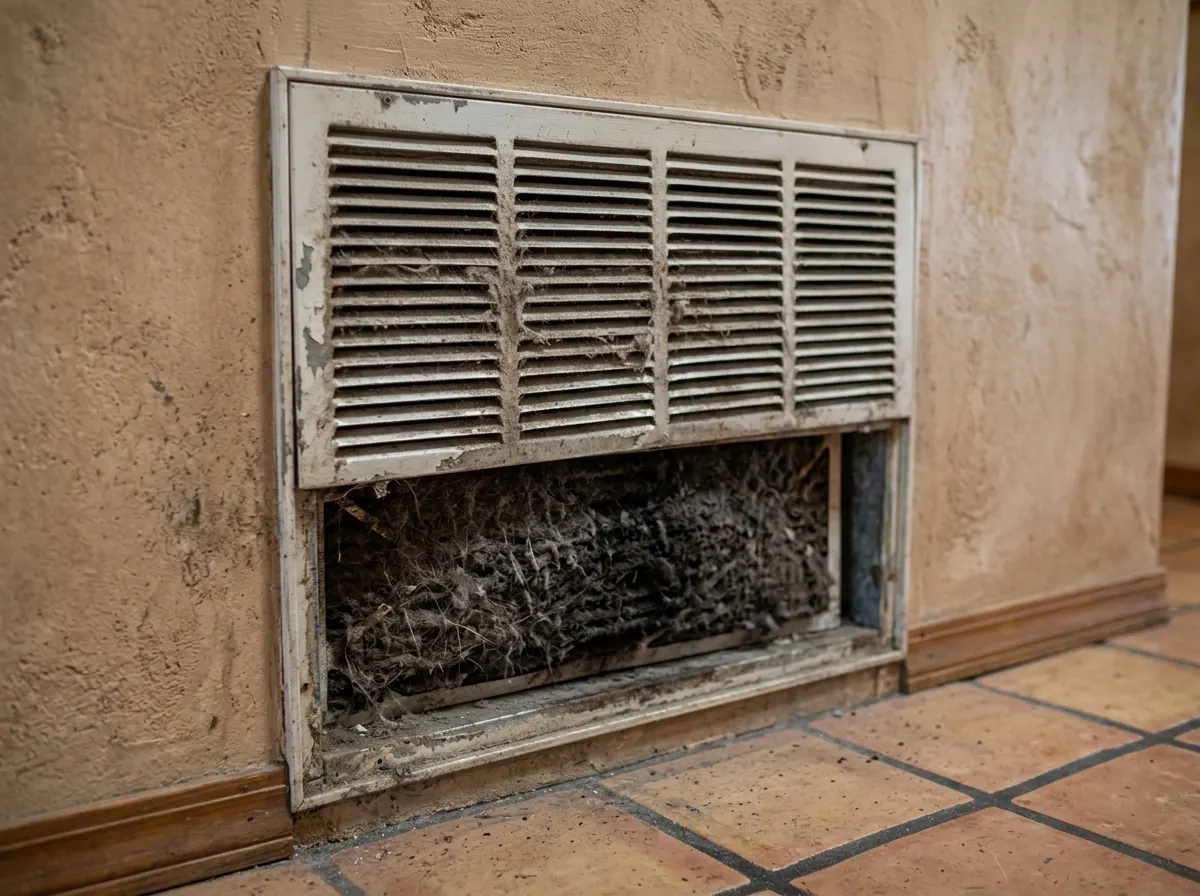 Representative photo
Two minutes before you send it
- Check the thermostat batteries and that it is set to heat.
- Check the furnace filter and that the furnace switch near the unit is on.
- If you smell gas, leave the house and call your gas utility from outside before anything else.
Sound familiar?
- No heat at all
- Heat comes and goes
- Furnace clicks but won't light
- Loud or strange noise
Send it as is. You can add the details right after, and they go straight into your request.
Get ConnectedWhat helps a pro most
- When it started and what you already tried
- The brand and age of the system, from the label on the unit
- A photo of the unit and the thermostat
How it works
- 1
Tell us about your job
Pick the service and enter your ZIP code.
- 2
Get connected
We send your request to a local pro in your area.
- 3
You decide
Talk it over, get a price, and hire only if it fits.
Denver facts that shape the job
- NOAA's 30 year normals give Denver roughly 5,765 heating degree days annually. Measured at the Denver-Stapleton (CO) station. The heating load here is higher than in 46 of the 56 other cities we cover; Indianapolis, IN comes closest. Heating load like that decides whether a heat pump alone is enough or a furnace backup makes sense.Source: NOAA NCEI U.S. Climate Normals 1991-2020, station USW00023062, checked 2026-10
- Near Denver the low drops to freezing on about 156 days in a normal year. The number of freezing days here is higher than in 50 of the 52 other cities we cover; Madison, WI comes closest.Source: NOAA NCEI U.S. Climate Normals 1991-2020, station USW00023062, checked 2026-10
- On cold wave risk, FEMA's National Risk Index puts Denver County, CO at relatively high. Frozen weather is when a furnace that limped through fall finally quits.Source: FEMA National Risk Index (December 2025), Denver County, CO, checked 2026-10
- Denver's local amendments to the I-codes are published in the 2025 Denver Building Code and Denver Fire Code PDFs (2nd printing, updates adopted November 24, 2025) linked from the city's Building and Fire Codes page.Source: denvergov.org, checked 2026-10
- For single-family homes and duplexes in Denver, replacing a forced-air heating system or a water heater falls under the mechanical quick permit, which is issued without plan review; residential A/C is handled in the boiler and A/C quick-permit category.Source: www.denvergov.org, checked 2026-10
Requests from across Denver
Wherever you are in Denver, tell us your ZIP and we connect you with an independent local pro who works your area.
ZIP codes we take requests from: 80238, 80010, 80207, 80266, 80045, 80220, 80230, 80239.
Get Connected