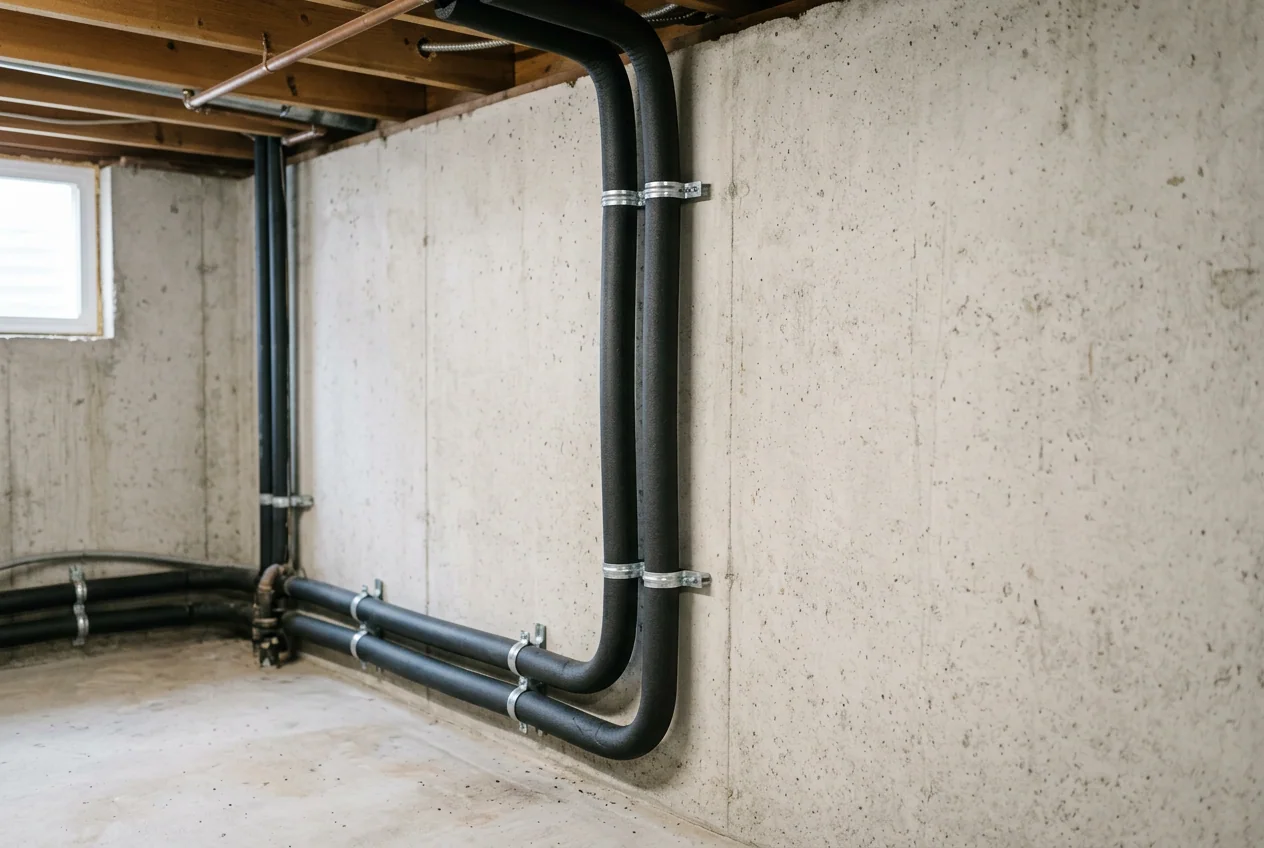
Heating and air conditioning repair in Nashville
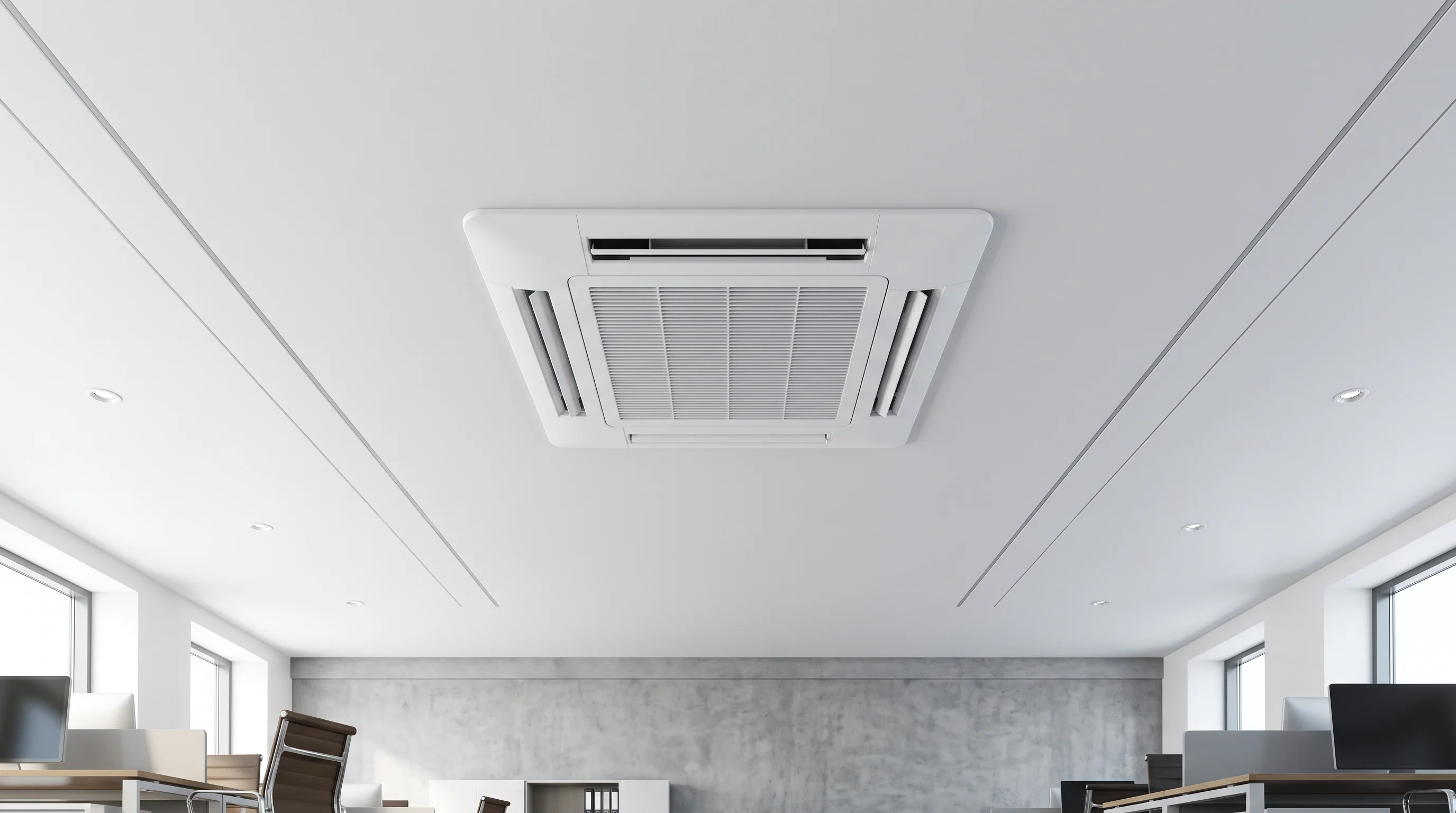
Our guide to heating and air conditioning repair covers how the job works. Below: the Nashville numbers a HVAC contractor looks at, with sources.
Nashville housing, by the numbers
The median home in Nashville dates from 1987, so about half the housing is that old or older. By median year built, homes here are older than in 6 of the 56 other cities we cover. Age of the house is a clue to duct leaks and insulation, which change the right system size.
Source: Census ACS
Source: Census ACS
Owner households fill about 52% of the occupied homes in Nashville. That is 164,334 of 313,513 households. The share of owner-occupied homes here is higher than in 40 of the 56 other cities we cover. Owner-occupied homes carry most of the replacement decisions in the city.
Source: Census ACS
Source: Census ACS
Electricity heats about 67% of occupied homes in Nashville, the most common fuel there. Other fuels: utility gas 30%, bottled or tank gas 1%, fuel oil or kerosene under 1%. The fuel decides which contractor skills matter: gas lines and venting, or heat pump and electrical work.
Source: Census ACS
Source: Census ACS
What the weather asks of a system in Nashville
Cooling load in Nashville comes to roughly 1,587 cooling degree days in a normal year (NOAA 1991-2020 normals). Measured at the Shelby Bottoms Nature (TN) station. The cooling load here is higher than in 30 of the 56 other cities we cover. That cooling load is what an air conditioner or heat pump has to keep up with on the long summer afternoons.
Source: NOAA normals
Source: NOAA normals
Nashville averages about 3,648 heating degree days a year, the NOAA measure of winter heating load. Measured at the Shelby Bottoms Nature (TN) station. The heating load here is higher than in 25 of the 56 other cities we cover. That is the number a contractor's load calculation starts from when sizing heat for a house here.
Source: NOAA normals
Source: NOAA normals
Expect around 76 days a year when Nashville drops to 32 F or below, going by NOAA normals. The number of freezing days here is higher than in 27 of the 52 other cities we cover.
Source: NOAA normals
Source: NOAA normals
A normal year brings about 50 days of 90 F or hotter near Nashville (NOAA normals). Of the 54 other cities in this network, 33 have a lower number of 90 F days.
Source: NOAA normals
Source: NOAA normals
Seasons and risk in Nashville
The heat wave risk for Davidson County, TN is rated relatively moderate in FEMA's National Risk Index. 13 of the 55 other cities we cover sit in counties with the same heat wave rating. Heat waves are when an older air conditioner is most likely to fail, so a pre-season check pays off.
Source: FEMA risk index
Source: FEMA risk index
Davidson County, TN carries a relatively high cold wave risk rating in FEMA's National Risk Index. The same cold wave rating applies in 19 of the 53 other cities in this network. Cold snaps are the hardest test for a heat pump; ask about backup heat.
Source: FEMA risk index
Source: FEMA risk index
In Tennessee, HVAC contractors are licensed by the Tennessee Board for Licensing Contractors (Dept of Commerce & Insurance); status can be checked on the agency's official lookup page.
Source: Tennessee Board for Licensing Contractors (Dept of Commerce & Insurance) (Tennessee) · Tennessee Board for Licensing Contractors (Dept of Commerce & Insurance) license information
Source: Tennessee Board for Licensing Contractors (Dept of Commerce & Insurance) (Tennessee) · Tennessee Board for Licensing Contractors (Dept of Commerce & Insurance) license information
Sources, checked October 2026
- U.S. Census Bureau, ACS 2024 5-year, profile 16000US4752006
- NOAA NCEI U.S. Climate Normals 1991-2020, station USC00408238
- FEMA National Risk Index (December 2025), Davidson County, TN
- Tennessee Board for Licensing Contractors (Dept of Commerce & Insurance) (Tennessee)
- Tennessee Board for Licensing Contractors (Dept of Commerce & Insurance) license information
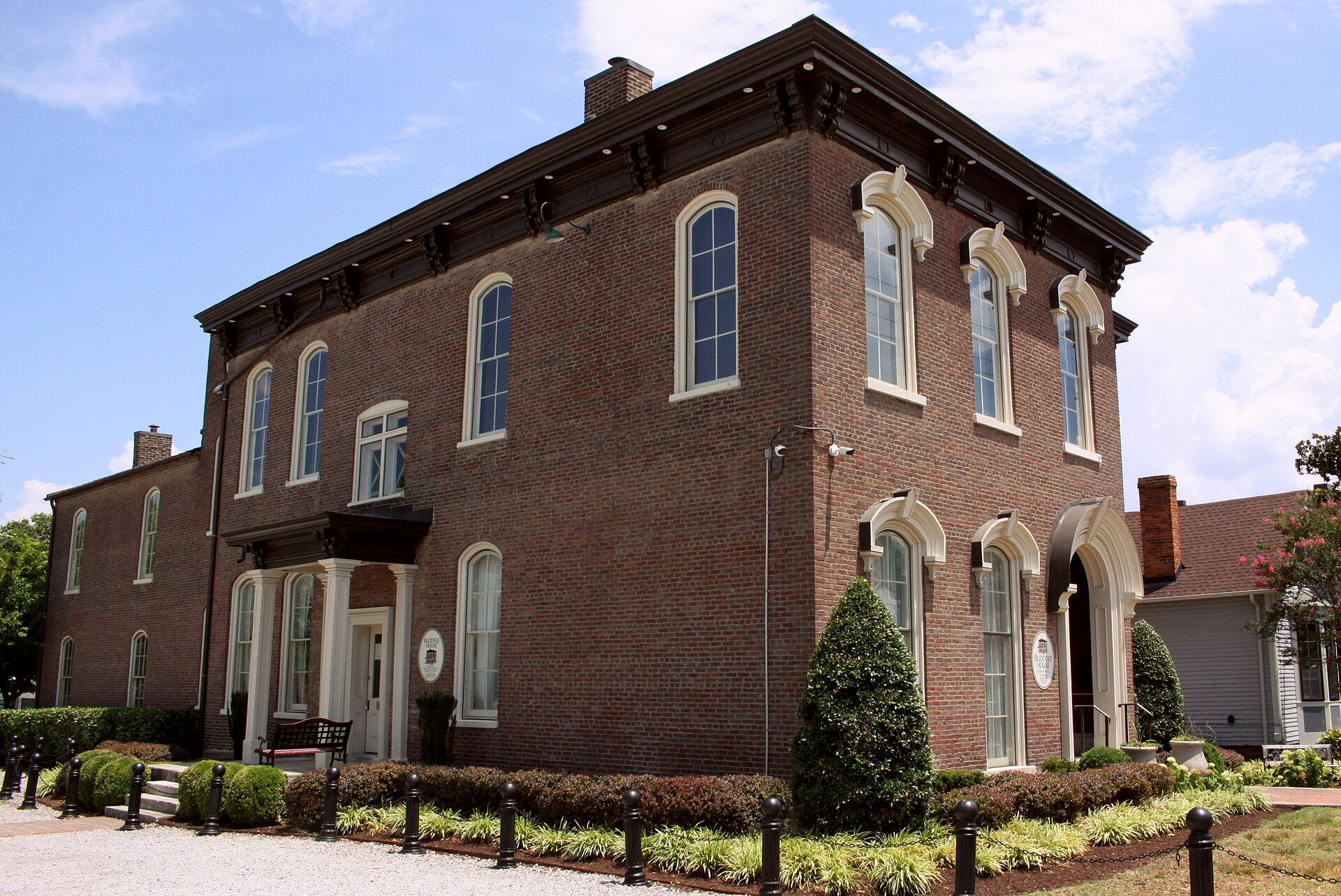
Local offices and rules in Nashville
Nashville-Davidson County enforces the 2024 International Building, Residential, Plumbing, Mechanical, Fuel Gas and Energy Conservation Codes, each with local amendments, along with the 2023 National Electrical Code.
Source: www.nashville.gov. Checked October 2026.
Source: www.nashville.gov. Checked October 2026.
As NES customers are served by TVA, Nashville homes can use TVA EnergyRight rebates: the rebates page lists rebates for a heat pump of 17 SEER2 or higher, a smaller one for 15-16.99 SEER2, and a larger one for a geothermal heat pump, installed by a Quality Contractor Network member.
Source: energyright.com. Checked October 2026.
Source: energyright.com. Checked October 2026.
Nashville Electric Service (NES) distributes electricity to all of Nashville and Davidson County plus parts of six surrounding counties, buying its power from the Tennessee Valley Authority.
Source: www.nespower.com. Checked October 2026.
Source: www.nespower.com. Checked October 2026.
Natural gas service in Nashville moved from Piedmont Natural Gas to Spire on March 31, 2026; Piedmont continues to send bills on Spire's behalf until the transition finishes in 2027.
Source: www.spireenergy.com. Checked October 2026.
Source: www.spireenergy.com. Checked October 2026.
If you smell gas, leave the house and call your gas utility from outside. Keep a working carbon monoxide alarm near the bedrooms, and do not open a furnace cabinet that is running.
Common jobs