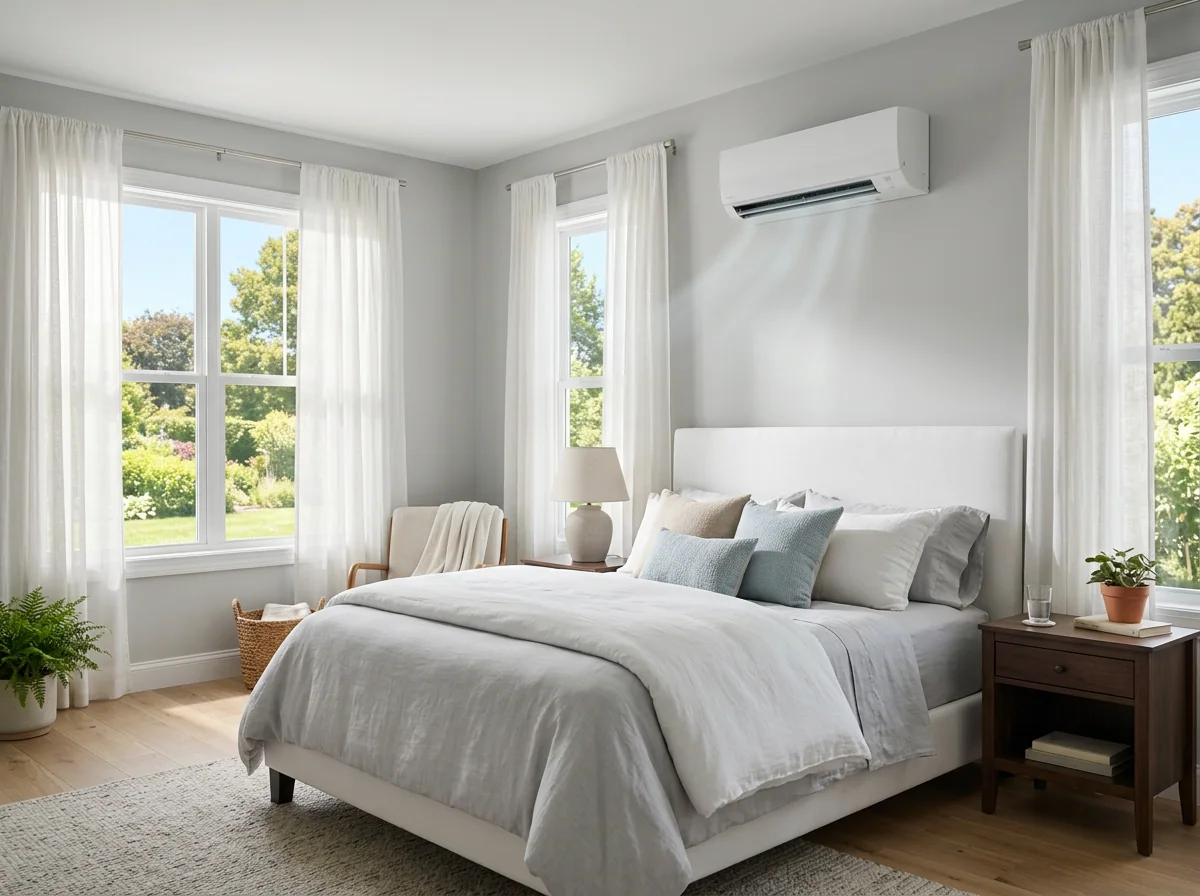
Heating and air conditioning repair in New York
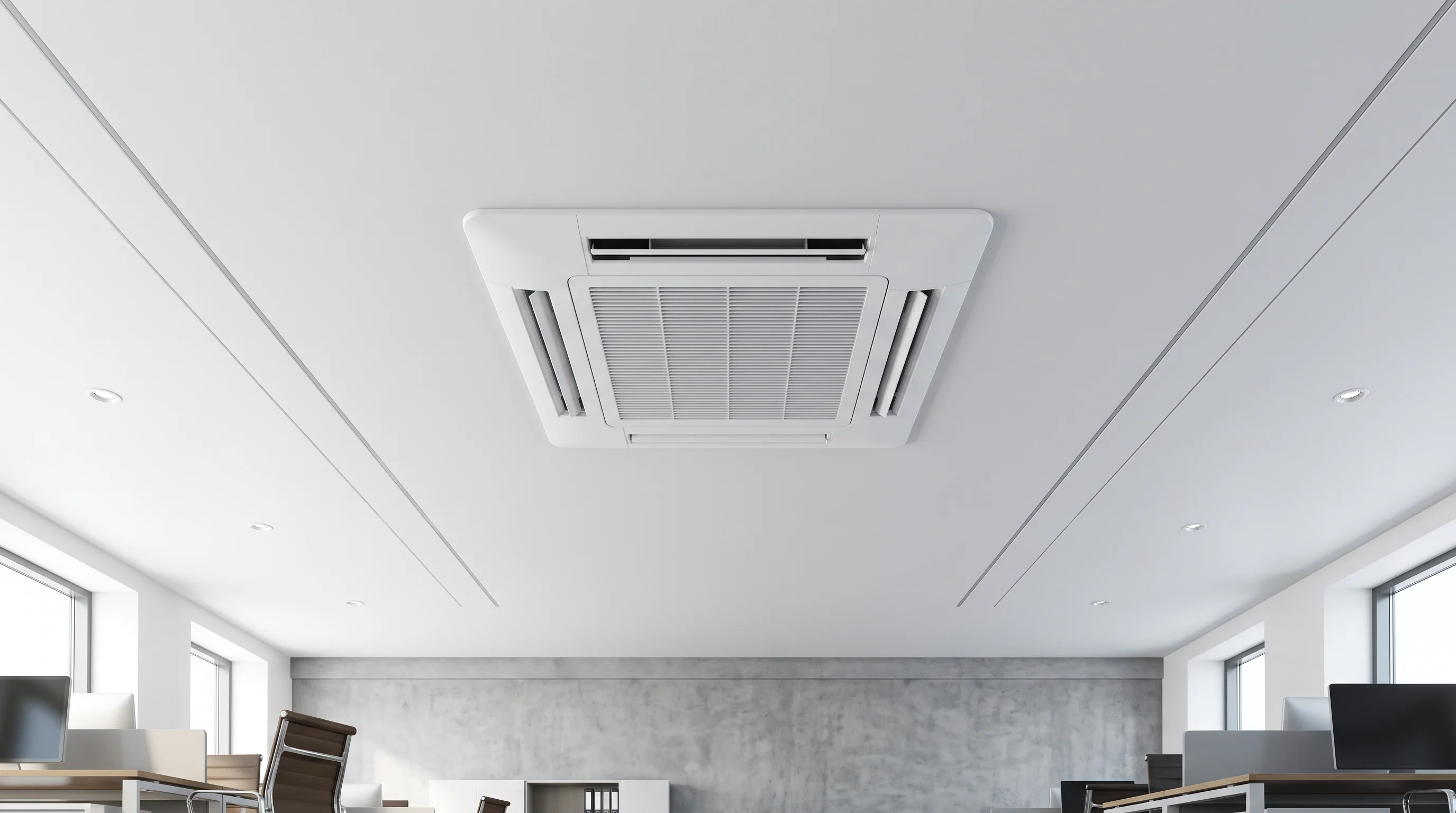
Our guide to heating and air conditioning repair covers how the job works. Below: the New York numbers a HVAC contractor looks at, with sources.
New York housing, by the numbers
Half of the homes in New York were built in 1952 or earlier (median year built, Census ACS). By median year built, homes here are older than in 45 of the 56 other cities we cover. Age of the house is a clue to duct leaks and insulation, which change the right system size.
Source: Census ACS
Source: Census ACS
Owners occupy roughly 33% of the occupied homes in New York. That is 1,093,056 of 3,334,088 households. Of the 56 other cities in this network, 1 have a lower share of owner-occupied homes. Owners usually decide on a replacement; renters should start with the landlord or property manager.
Source: Census ACS
Source: Census ACS
Most homes in New York heat with utility gas: about 64% of occupied homes, per the Census ACS. Other fuels: electricity 17%, fuel oil or kerosene 11%, bottled or tank gas 3%. Switching fuels is possible, but ask what it means for your panel, gas line and ducts.
Source: Census ACS
Source: Census ACS
What the weather asks of a system in New York
NOAA's 30 year normals give New York roughly 1,186 cooling degree days annually. Measured at the Ny Ave V Brooklyn (NY) station. The cooling load here is higher than in 23 of the 56 other cities we cover. That cooling load is what an air conditioner or heat pump has to keep up with on the long summer afternoons.
Source: NOAA normals
Source: NOAA normals
By the NOAA 1991-2020 normals, winters in New York add up to about 4,600 heating degree days. Measured at the Ny Ave V Brooklyn (NY) station. The heating load here is higher than in 36 of the 56 other cities we cover. That is the number a contractor's load calculation starts from when sizing heat for a house here.
Source: NOAA normals
Source: NOAA normals
Near New York the low drops to freezing on about 66 days in a normal year. The number of freezing days here is higher than in 24 of the 52 other cities we cover.
Source: NOAA normals
Source: NOAA normals
Expect around 14 days a year at 90 F or above in New York, going by NOAA normals. The number of 90 F days here is higher than in 9 of the 54 other cities we cover.
Source: NOAA normals
Source: NOAA normals
When the weather tests homes in New York
Kings County, NY carries a very high heat wave risk rating in FEMA's National Risk Index. 7 of the 55 other cities we cover sit in counties with the same heat wave rating. Heat waves are when an older air conditioner is most likely to fail, so a pre-season check pays off.
Source: FEMA risk index
Source: FEMA risk index
FEMA's National Risk Index lists Kings County, NY as very high for cold wave risk. 16 of the 53 other cities we cover sit in counties with the same cold wave rating. A cold wave also stresses pipes and venting near the furnace, worth a look during a tune-up.
Source: FEMA risk index
Source: FEMA risk index
Sources, checked October 2026
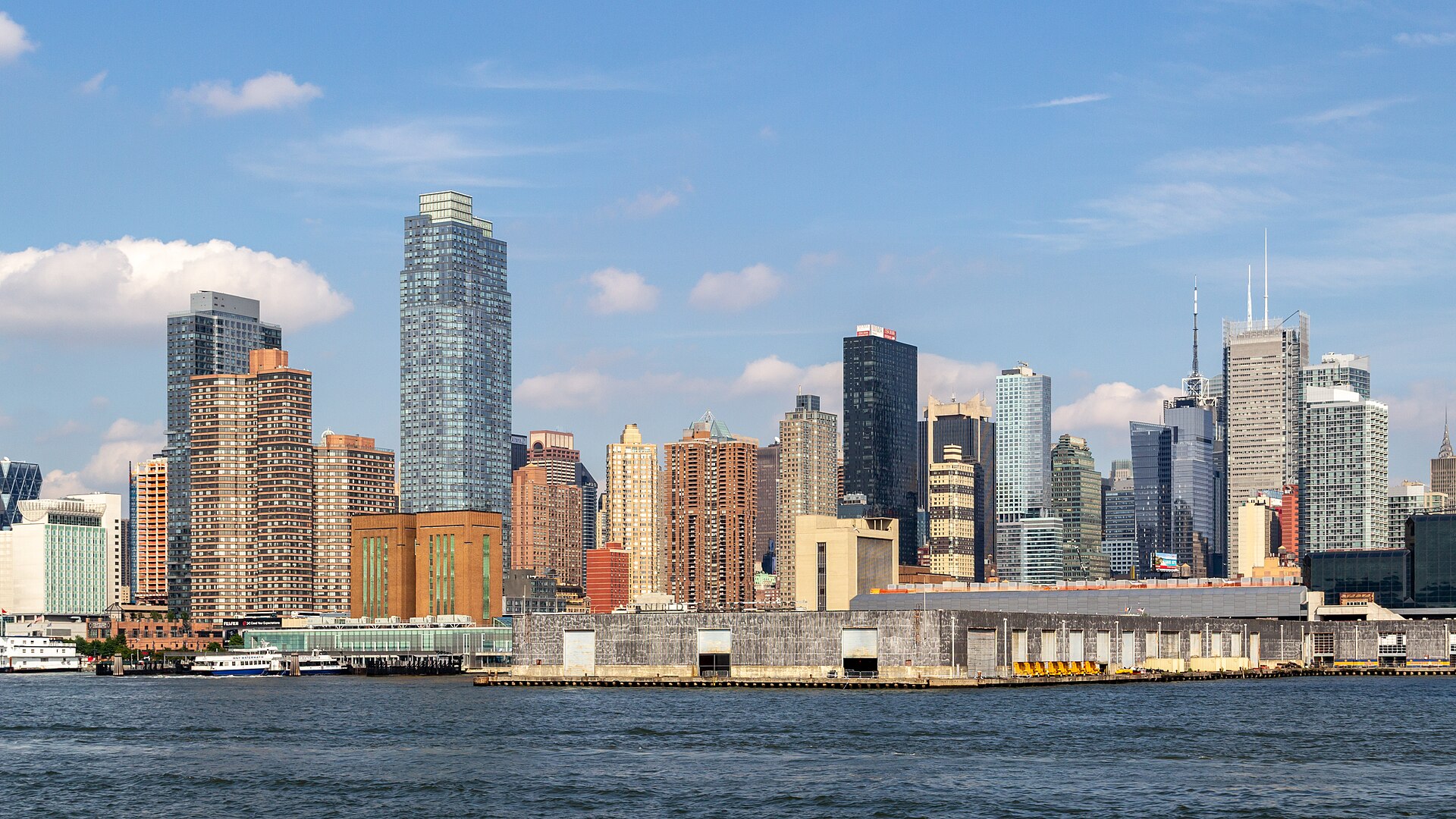
Local offices and rules in New York
The 2025 NYC Energy Conservation Code applies to applications filed on or after March 30, 2026; complete applications filed on or before March 29, 2026 stay under the 2020 NYCECC.
Source: www.nyc.gov. Checked October 2026.
Source: www.nyc.gov. Checked October 2026.
Permits in Manhattan are handled by the NYC Department of Buildings Manhattan Borough Office, the department's main office at 280 Broadway, New York, NY 10007; Brooklyn, Bronx, Queens and Staten Island each have their own DOB borough office.
Source: www.nyc.gov. Checked October 2026.
Source: www.nyc.gov. Checked October 2026.
DOB points owners to 1 RCNY 101-14, Table 2 for mechanical equipment work exempt from permits, and allows licensed contractors to repair or replace heating equipment serving residential buildings during heating season as emergency work, with a notification filed within two business days.
Source: www.nyc.gov. Checked October 2026.
Source: www.nyc.gov. Checked October 2026.
Con Edison's residential air-source heat pump incentive advertises a capped amount for a single-family home (weatherized tier in a Disadvantaged Community) and requires a Participating Contractor; the page says incentives are subject to program rules and available funding.
Source: www.coned.com. Checked October 2026.
Source: www.coned.com. Checked October 2026.
Con Edison is the electric utility for New York City, serving the city together with Westchester County.
Source: www.coned.com. Checked October 2026.
Source: www.coned.com. Checked October 2026.
If you smell gas, leave the house and call your gas utility from outside. Keep a working carbon monoxide alarm near the bedrooms, and do not open a furnace cabinet that is running.
Common jobs