Heating and air conditioning repair in Portland
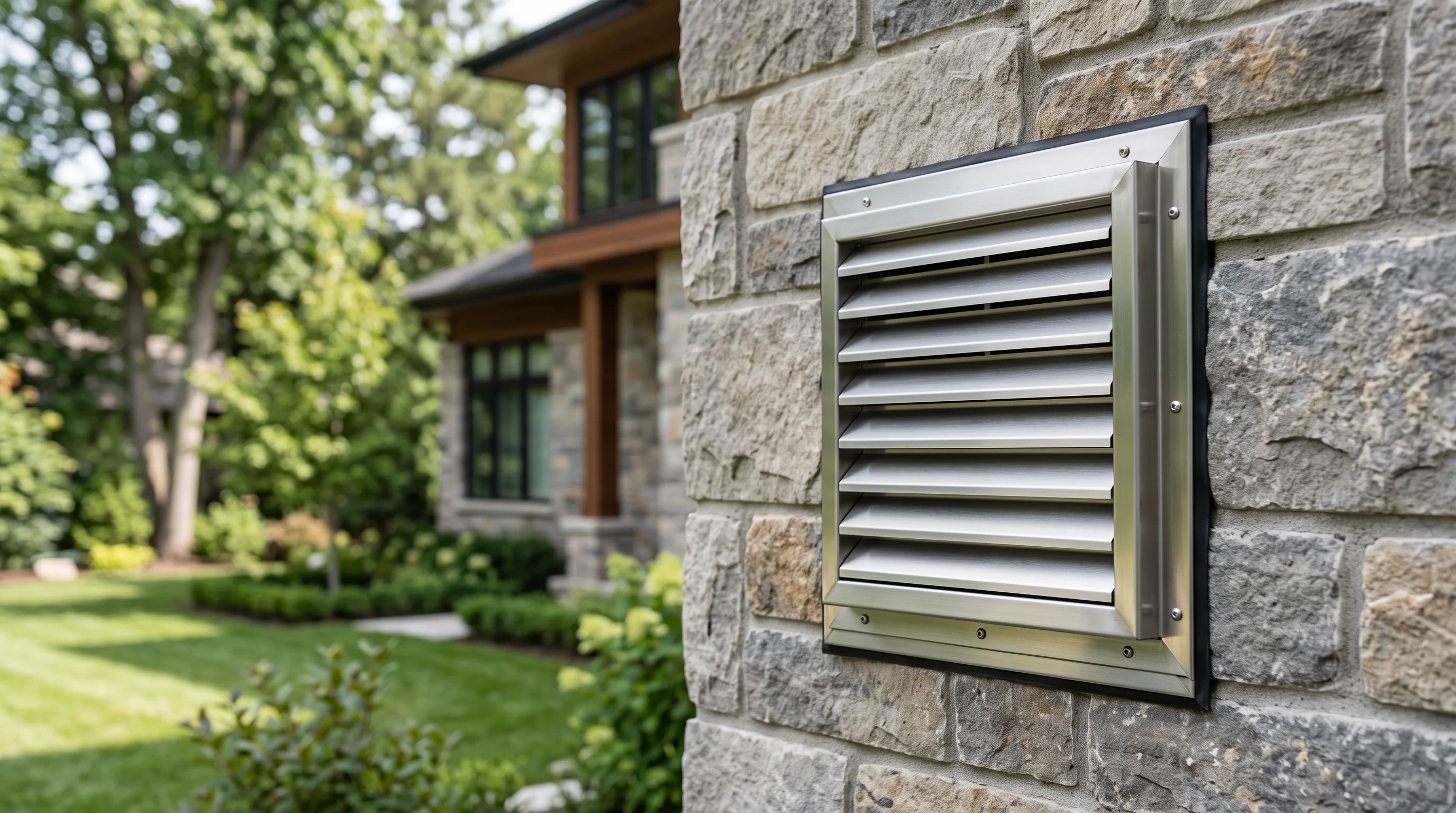
Our guide to heating and air conditioning repair covers how the job works. Below: the Portland numbers a HVAC contractor looks at, with sources.
Portland housing, by the numbers
1966 is the median construction year for homes in Portland (Census ACS). By median year built, homes here are older than in 34 of the 56 other cities we cover. Older homes here often have ducts and venting that were sized for a different system.
Source: Census ACS
Source: Census ACS
Owners occupy roughly 52% of the occupied homes in Portland. That is 150,646 of 289,705 households. The share of owner-occupied homes here is higher than in 38 of the 56 other cities we cover. If you rent, your lease likely puts heating and cooling repairs on the owner.
Source: Census ACS
Source: Census ACS
In Portland, about 49% of occupied homes heat with electricity, more than any other fuel. Other fuels: utility gas 47%, fuel oil or kerosene 2%, bottled or tank gas 1%. Homes on that fuel need a contractor licensed and equipped for it.
Source: Census ACS
Source: Census ACS
Portland climate, by the numbers
Portland averages about 448 cooling degree days a year, the NOAA measure of how hard air conditioning works. Measured at the Portland Kgw-Tv (OR) station. The cooling load here is higher than in 3 of the 56 other cities we cover. That cooling load is what an air conditioner or heat pump has to keep up with on the long summer afternoons.
Source: NOAA normals
Source: NOAA normals
Portland averages about 4,167 heating degree days a year, the NOAA measure of winter heating load. Measured at the Portland Kgw-Tv (OR) station. The heating load here is higher than in 30 of the 56 other cities we cover. That is the number a contractor's load calculation starts from when sizing heat for a house here.
Source: NOAA normals
Source: NOAA normals
Near Portland the low drops to freezing on about 18 days in a normal year. The number of freezing days here is higher than in 11 of the 52 other cities we cover.
Source: NOAA normals
Source: NOAA normals
Highs of 90 F and up come on roughly 11 days a year around Portland. Of the 54 other cities in this network, 6 have a lower number of 90 F days.
Source: NOAA normals
Source: NOAA normals
When the weather tests homes in Portland
On heat wave risk, FEMA's National Risk Index puts Multnomah County, OR at relatively high. The same heat wave rating applies in 30 of the 55 other cities in this network. Heat waves are when an older air conditioner is most likely to fail, so a pre-season check pays off.
Source: FEMA risk index
Source: FEMA risk index
The cold wave risk for Multnomah County, OR is rated relatively high in FEMA's National Risk Index. 19 of the 53 other cities we cover sit in counties with the same cold wave rating. A cold wave also stresses pipes and venting near the furnace, worth a look during a tune-up.
Source: FEMA risk index
Source: FEMA risk index
In Oregon, HVAC contractors are licensed by the Oregon Construction Contractors Board; status can be checked on the agency's official lookup page.
Source: Oregon Construction Contractors Board (Oregon) · Oregon Construction Contractors Board license information
Source: Oregon Construction Contractors Board (Oregon) · Oregon Construction Contractors Board license information
Sources, checked October 2026
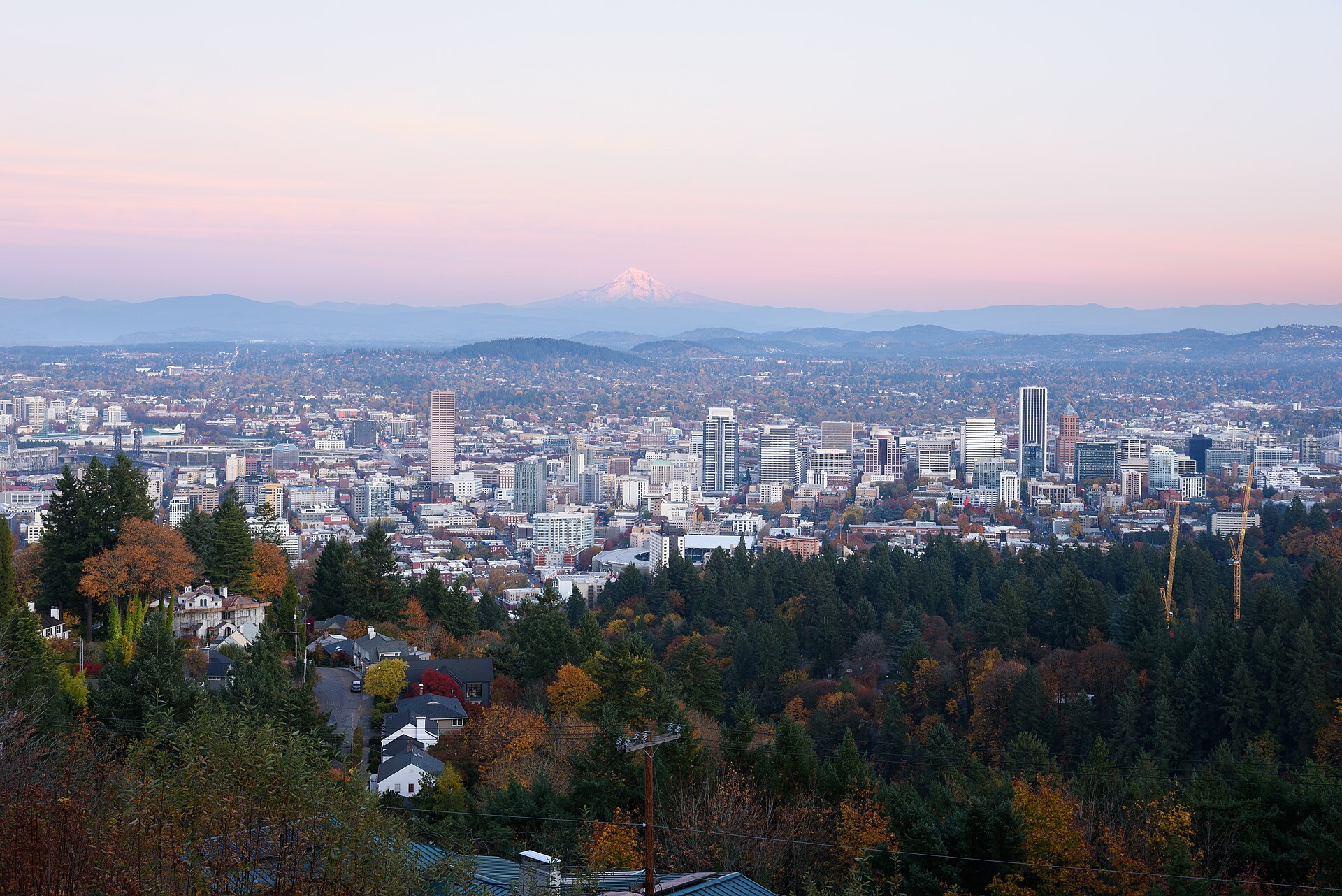
Local offices and rules in Portland
Alongside the state codes, Portland administers its own City Code titles: Title 24 Building, Title 25 Plumbing, Title 27 Heating and Ventilating, and Title 29 Property Maintenance.
Source: www.portland.gov. Checked October 2026.
Source: www.portland.gov. Checked October 2026.
Mechanical work in Portland falls under the 2025 Oregon Mechanical Specialty Code (mandatory April 1, 2026), and the 2026 Oregon Plumbing Specialty Code, based on the 2024 UPC, took effect Oct. 1, 2026.
Source: www.oregon.gov. Checked October 2026.
Source: www.oregon.gov. Checked October 2026.
Heat pump outdoor units in Portland are treated as outdoor mechanical equipment for zoning: they cannot sit in the required front setback, and in side or rear setbacks generally must be no taller than five feet and screened.
Source: www.portland.gov. Checked October 2026.
Source: www.portland.gov. Checked October 2026.
Portland requires a mechanical permit to install or change ducted heating or cooling systems, to install exterior heat pump or AC condenser units, and to install, alter or repair gas piping between the meter and an appliance.
Source: www.portland.gov. Checked October 2026.
Source: www.portland.gov. Checked October 2026.
Portland General Electric (PGE) is the investor-owned electric utility that serves customers throughout and around the Portland metropolitan area.
Source: portlandgeneral.com. Checked October 2026.
Source: portlandgeneral.com. Checked October 2026.
If you smell gas, leave the house and call your gas utility from outside. Keep a working carbon monoxide alarm near the bedrooms, and do not open a furnace cabinet that is running.
Common jobs