Heating and air conditioning repair in Sacramento
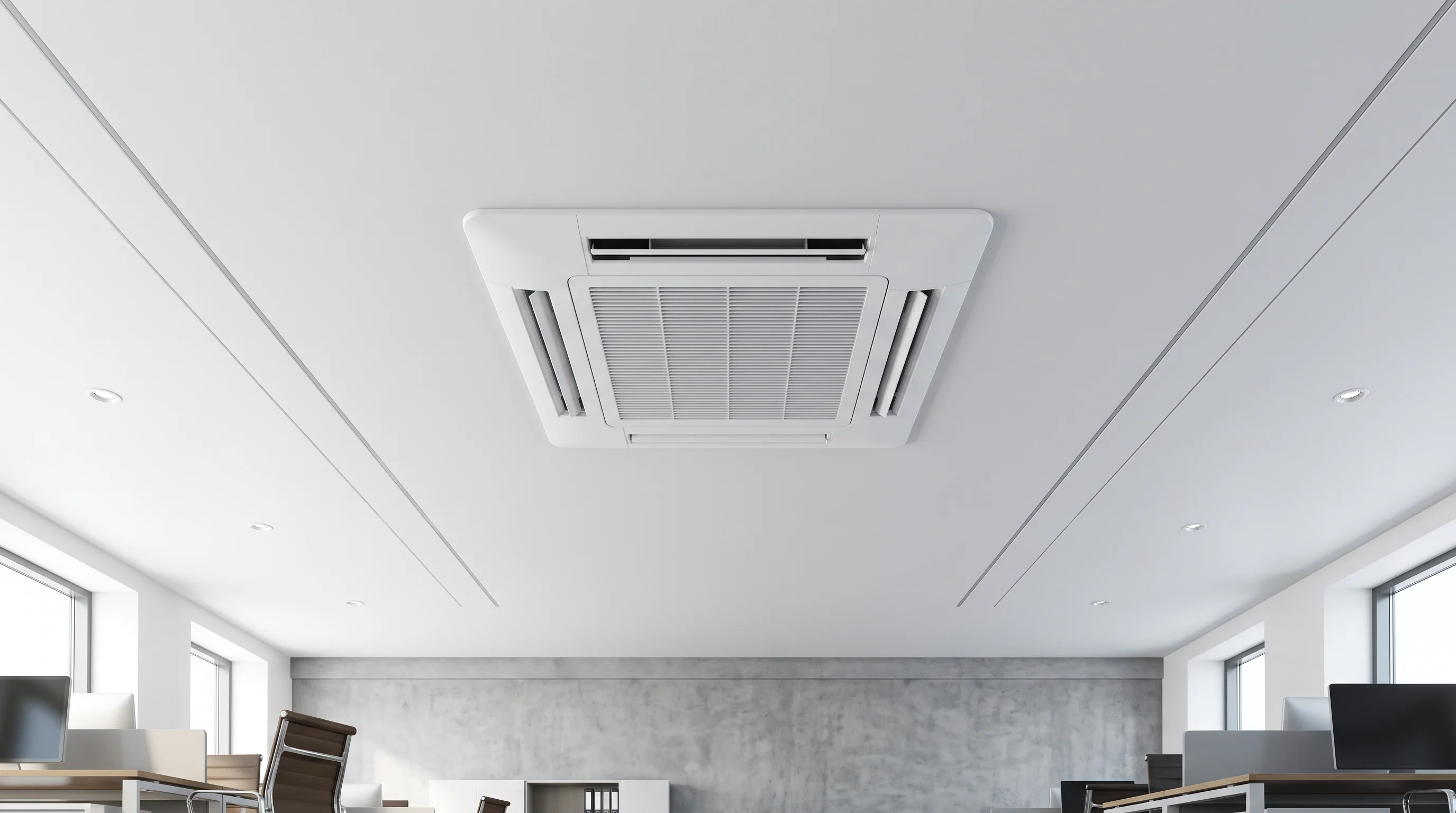
Our guide to heating and air conditioning repair covers how the job works. Below: the Sacramento numbers a HVAC contractor looks at, with sources.
Homes in Sacramento
The median home in Sacramento dates from 1977, so about half the housing is that old or older. Of the 56 other cities in this network, 23 have newer housing by median year built. A house from that era may have had its system replaced more than once; the ducts usually stay.
Source: Census ACS
Source: Census ACS
Owner households fill about 52% of the occupied homes in Sacramento. That is 103,571 of 200,321 households. The share of owner-occupied homes here is higher than in 35 of the 56 other cities we cover. Owners usually decide on a replacement; renters should start with the landlord or property manager.
Source: Census ACS
Source: Census ACS
The leading home heating fuel in Sacramento is utility gas, at about 55% of occupied homes. Other fuels: electricity 41%, bottled or tank gas 2%, fuel oil or kerosene under 1%. The fuel decides which contractor skills matter: gas lines and venting, or heat pump and electrical work.
Source: Census ACS
Source: Census ACS
Heating and cooling load in Sacramento
Air conditioners near Sacramento face about 1,576 cooling degree days in a typical year, per NOAA's 1991-2020 normals. Measured at the Sacramento 5 Ese (CA) station. The cooling load here is higher than in 29 of the 56 other cities we cover. That cooling load is what an air conditioner or heat pump has to keep up with on the long summer afternoons.
Source: NOAA normals
Source: NOAA normals
By the NOAA 1991-2020 normals, winters in Sacramento add up to about 2,138 heating degree days. Measured at the Sacramento 5 Ese (CA) station. The heating load here is higher than in 15 of the 56 other cities we cover. Winters at that level put most of the year's wear on the heating side.
Source: NOAA normals
Source: NOAA normals
Expect around 4 days a year when Sacramento drops to 32 F or below, going by NOAA normals. Of the 52 other cities in this network, 5 have a lower number of freezing days.
Source: NOAA normals
Source: NOAA normals
A normal year brings about 90 days of 90 F or hotter near Sacramento (NOAA normals). Of the 54 other cities in this network, 41 have a lower number of 90 F days.
Source: NOAA normals
Source: NOAA normals
Sacramento seasons, by the numbers
FEMA's National Risk Index rates heat wave risk in Sacramento County, CA as relatively moderate. The same heat wave rating applies in 13 of the 55 other cities in this network. During a heat wave contractors book up; a tune-up in spring avoids the rush.
Source: FEMA risk index
Source: FEMA risk index
In California, HVAC contractors are licensed by the Contractors State License Board (CSLB); status can be checked on the agency's official lookup page.
Source: Contractors State License Board (CSLB) (California) · Contractors State License Board (CSLB) license information
Source: Contractors State License Board (CSLB) (California) · Contractors State License Board (CSLB) license information
Sources, checked October 2026
Local offices and rules in Sacramento
The California Building Standards Commission published the 2025 Title 24 code on July 1, 2025 with a statewide effective date of January 1, 2026, covering the Building (Part 2), Residential (Part 2.5), Mechanical (Part 4), Plumbing (Part 5) and Energy (Part 6) codes that Sacramento permits are reviewed under.
Source: www.dgs.ca.gov. Checked October 2026.
Source: www.dgs.ca.gov. Checked October 2026.
SMUD pays rebates for a variable-stage heat pump and a two-stage heat pump (15.2 SEER2 minimum) when converting from gas, and for electric-to-electric multi-stage upgrades; rebates are subject to availability of funding.
Source: www.smud.org. Checked October 2026.
Source: www.smud.org. Checked October 2026.
To earn a SMUD heat pump HVAC rebate, the system must be installed by a contractor in the SMUD Contractor Network, who submits the rebate, and the job must pass Title 24 via a HERS CF3R.
Source: www.smud.org. Checked October 2026.
Source: www.smud.org. Checked October 2026.
Electricity in Sacramento comes from the Sacramento Municipal Utility District (SMUD), which calls itself the nation's sixth-largest community-owned electric utility and has served Sacramento since 1946.
Source: www.smud.org. Checked October 2026.
Source: www.smud.org. Checked October 2026.
If you smell gas, leave the house and call your gas utility from outside. Keep a working carbon monoxide alarm near the bedrooms, and do not open a furnace cabinet that is running.
Common jobs