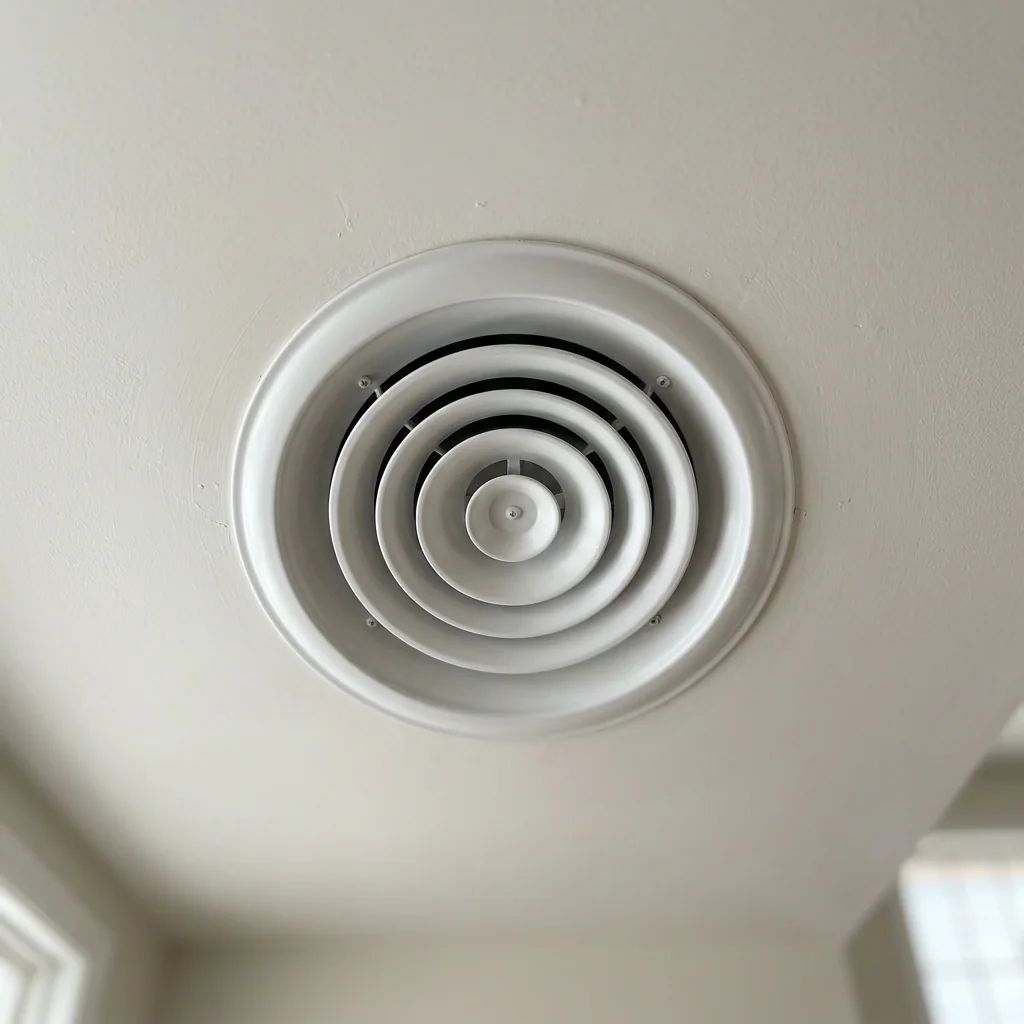
Heating and air conditioning repair in Spokane
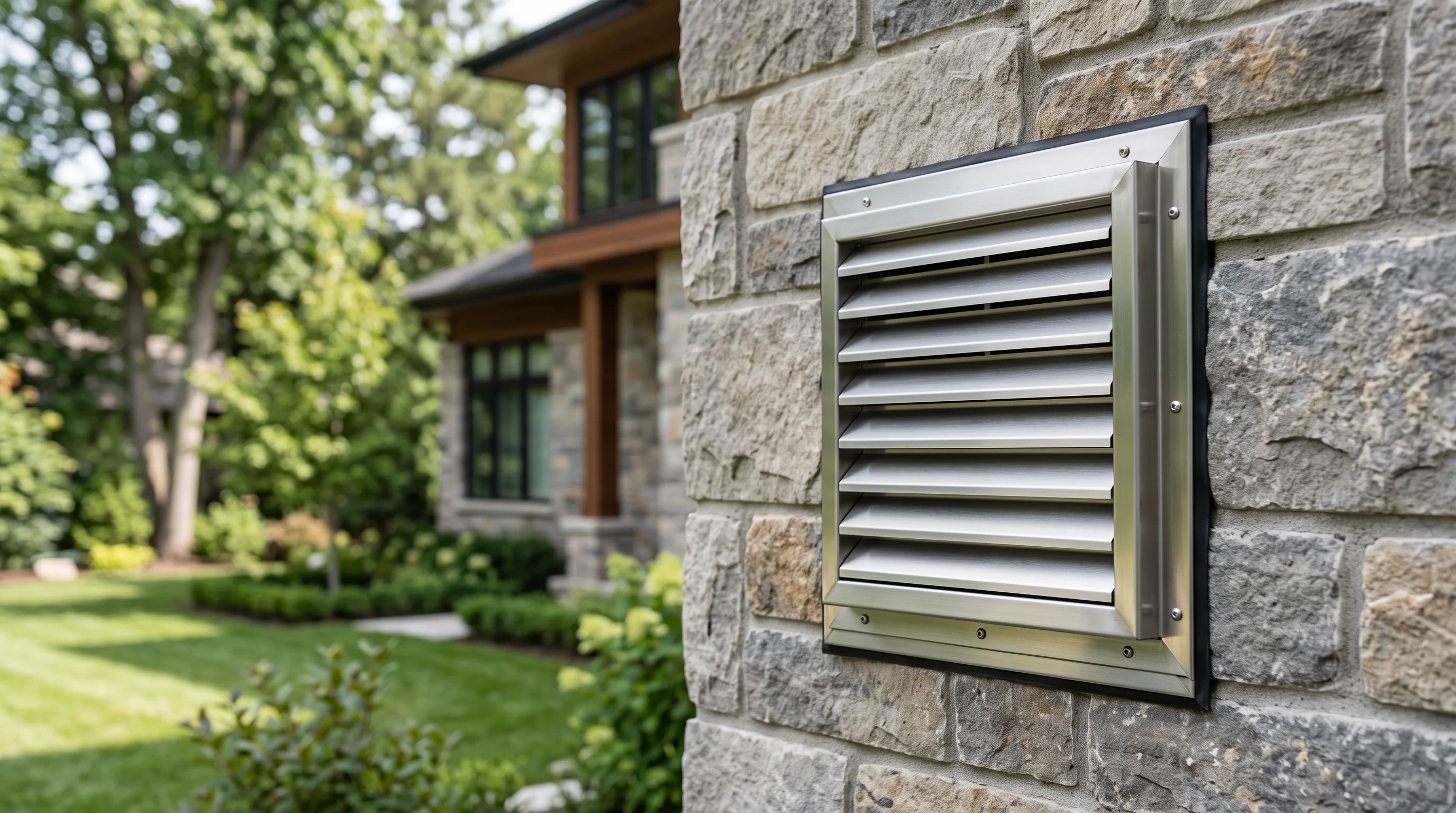
Our guide to heating and air conditioning repair covers how the job works. Below: the Spokane numbers a HVAC contractor looks at, with sources.
Spokane housing, by the numbers
Around half of the homes in Spokane went up in 1961 or before, according to the Census ACS. By median year built, homes here are older than in 38 of the 56 other cities we cover. Older homes here often have ducts and venting that were sized for a different system.
Source: Census ACS
Source: Census ACS
About 59% of occupied homes in Spokane are lived in by their owners. That is 57,325 of 97,446 households. The share of owner-occupied homes here is higher than in 51 of the 56 other cities we cover. Owners usually decide on a replacement; renters should start with the landlord or property manager.
Source: Census ACS
Source: Census ACS
The leading home heating fuel in Spokane is utility gas, at about 54% of occupied homes. Other fuels: electricity 42%, fuel oil or kerosene 1%, bottled or tank gas under 1%. Switching fuels is possible, but ask what it means for your panel, gas line and ducts.
Source: Census ACS
Source: Census ACS
What the weather asks of a system in Spokane
Air conditioners near Spokane face about 507 cooling degree days in a typical year, per NOAA's 1991-2020 normals. Measured at the Spokane Felts Fld (WA) station. Of the 56 other cities in this network, 4 have a lower cooling load. Cooling demand at that level is why the outdoor unit's size and condition matter here.
Source: NOAA normals
Source: NOAA normals
Spokane averages about 6,019 heating degree days a year, the NOAA measure of winter heating load. Measured at the Spokane Felts Fld (WA) station. Of the 56 other cities in this network, 49 have a lower heating load. Winters at that level put most of the year's wear on the heating side.
Source: NOAA normals
Source: NOAA normals
Lows at or below 32 F come on roughly 123 days a year around Spokane. The number of freezing days here is higher than in 42 of the 52 other cities we cover.
Source: NOAA normals
Source: NOAA normals
Near Spokane the high reaches 90 F or more on about 29 days in a normal year. The number of 90 F days here is higher than in 19 of the 54 other cities we cover.
Source: NOAA normals
Source: NOAA normals
Seasons and risk in Spokane
The heat wave risk for Spokane County, WA is rated relatively moderate in FEMA's National Risk Index. The same heat wave rating applies in 13 of the 55 other cities in this network. During a heat wave contractors book up; a tune-up in spring avoids the rush.
Source: FEMA risk index
Source: FEMA risk index
Spokane County, WA carries a relatively high cold wave risk rating in FEMA's National Risk Index. 19 of the 53 other cities we cover sit in counties with the same cold wave rating. Cold snaps are the hardest test for a heat pump; ask about backup heat.
Source: FEMA risk index
Source: FEMA risk index
In Washington, HVAC contractors are licensed or registered by the Washington State Department of Labor & Industries (L&I); status can be checked on the agency's official lookup page.
Source: Washington State Department of Labor & Industries (L&I) (Washington) · Washington State Department of Labor & Industries (L&I) license information
Source: Washington State Department of Labor & Industries (L&I) (Washington) · Washington State Department of Labor & Industries (L&I) license information
Sources, checked October 2026
- U.S. Census Bureau, ACS 2024 5-year, profile 16000US5367000
- NOAA NCEI U.S. Climate Normals 1991-2020, station USW00094176
- FEMA National Risk Index (December 2025), Spokane County, WA
- Washington State Department of Labor & Industries (L&I) (Washington)
- Washington State Department of Labor & Industries (L&I) license information
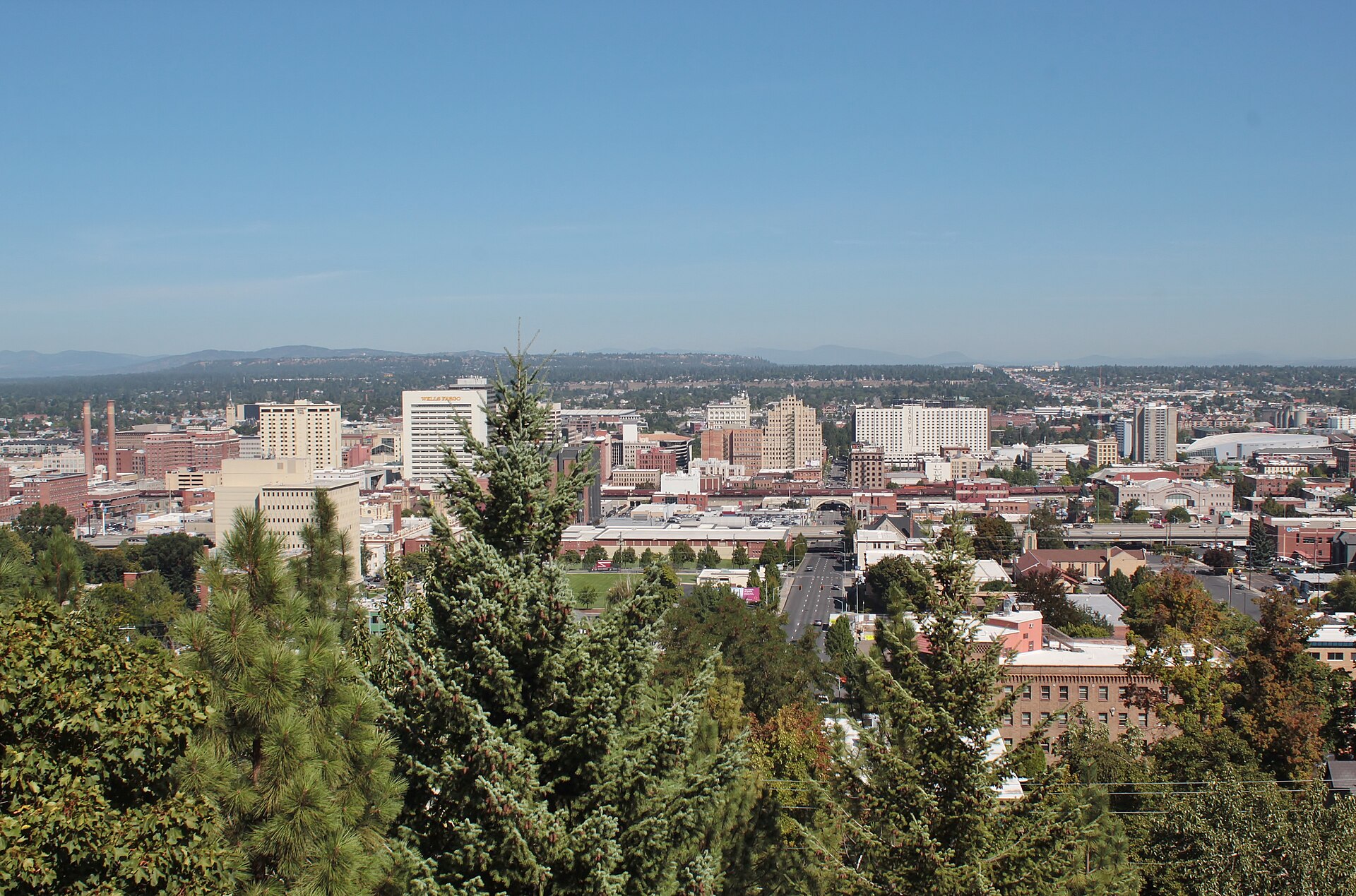
Local offices and rules in Spokane
HVAC and gas work in Spokane falls under the 2021 International Mechanical Code (WAC 51-52), the 2021 International Fuel Gas Code and NFPA 54, while energy rules come from the 2021 Washington State Energy Code.
Source: my.spokanecity.org. Checked October 2026.
Source: my.spokanecity.org. Checked October 2026.
Spokane issues its own local trade licenses, including a gas heating mechanic license that requires passing a city exam and paying the license fee within 90 days.
Source: my.spokanecity.org. Checked October 2026.
Source: my.spokanecity.org. Checked October 2026.
Spokane's Development Services Center (DSC) & Permit Center sits on the 3rd floor of City Hall at 808 W Spokane Falls Blvd, Spokane, WA 99201.
Source: my.spokanecity.org. Checked October 2026.
Source: my.spokanecity.org. Checked October 2026.
In Spokane, plumbing, mechanical (air conditioning and heating) and electrical work each require their own permit, separate from the building permit.
Source: my.spokanecity.org. Checked October 2026.
Source: my.spokanecity.org. Checked October 2026.
Avista supplies electricity in Spokane; the city's 2019 greenhouse gas inventory attributes over 99% of community electricity to Avista, with Inland Power & Light supplying the remainder.
Source: static.spokanecity.org. Checked October 2026.
Source: static.spokanecity.org. Checked October 2026.
If you smell gas, leave the house and call your gas utility from outside. Keep a working carbon monoxide alarm near the bedrooms, and do not open a furnace cabinet that is running.
Common jobs