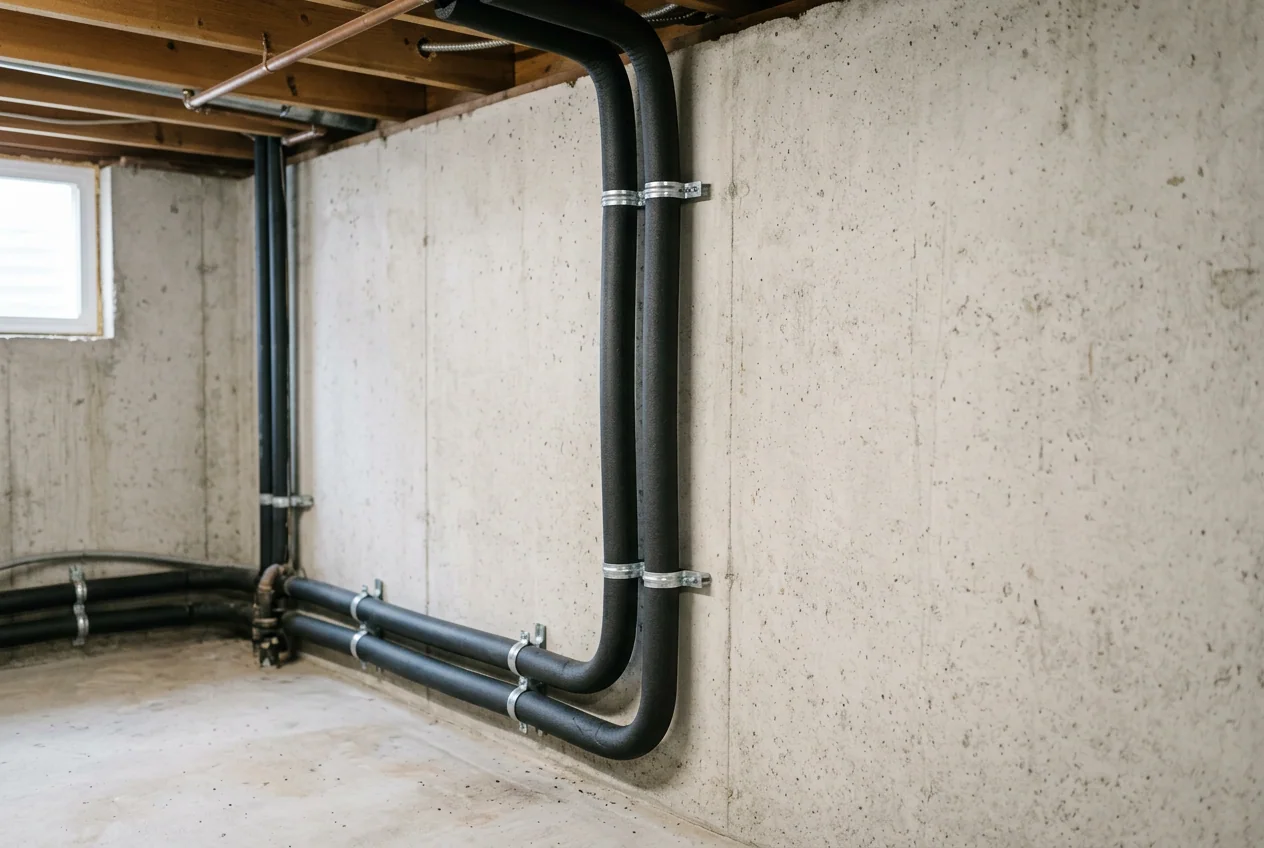
Heating and air conditioning repair in St. Louis
Our guide to heating and air conditioning repair covers how the job works. Below: the St. Louis numbers a HVAC contractor looks at, with sources.
St. Louis housing, by the numbers
The median home in St. Louis dates from 1938, so about half the housing is that old or older. Of the 56 other cities in this network, 55 have newer housing by median year built. Older homes here often have ducts and venting that were sized for a different system.
Source: Census ACS
Source: Census ACS
Roughly 45 in every 100 occupied homes in St. Louis are owner-occupied. That is 65,612 of 144,891 households. Of the 56 other cities in this network, 18 have a lower share of owner-occupied homes. Owner-occupied homes carry most of the replacement decisions in the city.
Source: Census ACS
Source: Census ACS
Utility gas heats about 67% of occupied homes in St. Louis, the most common fuel there. Other fuels: electricity 31%, bottled or tank gas 1%, fuel oil or kerosene under 1%. The fuel decides which contractor skills matter: gas lines and venting, or heat pump and electrical work.
Source: Census ACS
Source: Census ACS
St. Louis climate, by the numbers
NOAA's 30 year normals give St. Louis roughly 1,769 cooling degree days annually. Measured at the St Louis Sci Ctr (MO) station. Of the 56 other cities in this network, 36 have a lower cooling load. That cooling load is what an air conditioner or heat pump has to keep up with on the long summer afternoons.
Source: NOAA normals
Source: NOAA normals
Homes near St. Louis face about 4,292 heating degree days in a typical year, per NOAA's 1991-2020 normals. Measured at the St Louis Sci Ctr (MO) station. Of the 56 other cities in this network, 34 have a lower heating load. Winters at that level put most of the year's wear on the heating side.
Source: NOAA normals
Source: NOAA normals
St. Louis logs roughly 79 freezing nights in an average year. The number of freezing days here is higher than in 28 of the 52 other cities we cover.
Source: NOAA normals
Source: NOAA normals
Highs of 90 F and up come on roughly 47 days a year around St. Louis. Of the 54 other cities in this network, 28 have a lower number of 90 F days.
Source: NOAA normals
Source: NOAA normals
When the weather tests homes in St. Louis
The heat wave risk for St. Louis city, MO is rated very high in FEMA's National Risk Index. The same heat wave rating applies in 7 of the 55 other cities in this network. Heat waves are when an older air conditioner is most likely to fail, so a pre-season check pays off.
Source: FEMA risk index
Source: FEMA risk index
FEMA's National Risk Index lists St. Louis city, MO as relatively moderate for cold wave risk. 5 of the 53 other cities we cover sit in counties with the same cold wave rating. A cold wave also stresses pipes and venting near the furnace, worth a look during a tune-up.
Source: FEMA risk index
Source: FEMA risk index
Sources, checked October 2026
Local offices and rules in St. Louis
For HVAC and gas work the city enforces the 2018 International Mechanical Code (Ord. 70800) and 2018 International Fuel Gas Code (Ord. 70801), and its energy code is the 2018 IECC (Ord. 70799).
Source: www.stlouis-mo.gov. Checked October 2026.
Source: www.stlouis-mo.gov. Checked October 2026.
A separate Mechanical Contractors Board of Examiners reviews qualifications for city mechanical contractor and pipefitter licenses; the board notes the Mechanical Code generally applies to commercial structures, with certain residential buildings exempt under City Code.
Source: www.stlouis-mo.gov. Checked October 2026.
Source: www.stlouis-mo.gov. Checked October 2026.
The Building Division of the City of St. Louis issues permits from City Hall, 1200 Market Street, Room 426, St. Louis, MO 63103; the Permits Section counter is open 8:00 AM-4:30 PM Monday through Thursday and until 4:00 PM on Friday.
Source: www.stlouis-mo.gov. Checked October 2026.
Source: www.stlouis-mo.gov. Checked October 2026.
City mechanical permits cover installing boilers, furnaces, exhaust fans and hoods, and ventilation systems, and they are issued only to licensed mechanical contractors certified by the City of Saint Louis.
Source: www.stlouis-mo.gov. Checked October 2026.
Source: www.stlouis-mo.gov. Checked October 2026.
Ameren Missouri's HVAC PAYS (Pay As You Save) program lets electric customers replace HVAC systems with no upfront cost and repay through a monthly bill charge, but the page states it is "no longer accepting enrollments for 2026."
Source: www.ameren.com. Checked October 2026.
Source: www.ameren.com. Checked October 2026.
The city's Public Utilities page lists Ameren (ameren.com) as the electric provider for St. Louis.
Source: www.stlouis-mo.gov. Checked October 2026.
Source: www.stlouis-mo.gov. Checked October 2026.
If you smell gas, leave the house and call your gas utility from outside. Keep a working carbon monoxide alarm near the bedrooms, and do not open a furnace cabinet that is running.
Common jobs