Heating and air conditioning repair in Washington
Our guide to heating and air conditioning repair covers how the job works. Below: the Washington numbers a HVAC contractor looks at, with sources.
Homes in Washington
1958 is the median construction year for homes in Washington (Census ACS). Of the 56 other cities in this network, 42 have newer housing by median year built. Age of the house is a clue to duct leaks and insulation, which change the right system size.
Source: Census ACS
Source: Census ACS
In Washington, owner-occupied homes make up about 42% of occupied housing. That is 134,683 of 324,491 households. Of the 56 other cities in this network, 7 have a lower share of owner-occupied homes. If you rent, your lease likely puts heating and cooling repairs on the owner.
Source: Census ACS
Source: Census ACS
Utility gas is the leading heating fuel in Washington, covering about 48% of occupied homes. Other fuels: electricity 47%, bottled or tank gas 1%, fuel oil or kerosene under 1%. Switching fuels is possible, but ask what it means for your panel, gas line and ducts.
Source: Census ACS
Source: Census ACS
What the weather asks of a system in Washington
By the NOAA 1991-2020 normals, summers in Washington add up to about 1,648 cooling degree days. Measured at the Natl Arboretum Dc (MD) station. Of the 56 other cities in this network, 32 have a lower cooling load. That cooling load is what an air conditioner or heat pump has to keep up with on the long summer afternoons.
Source: NOAA normals
Source: NOAA normals
Washington averages about 4,048 heating degree days a year, the NOAA measure of winter heating load. Measured at the Natl Arboretum Dc (MD) station. The heating load here is higher than in 29 of the 56 other cities we cover. That is the number a contractor's load calculation starts from when sizing heat for a house here.
Source: NOAA normals
Source: NOAA normals
Washington logs roughly 84 freezing nights in an average year. Of the 52 other cities in this network, 30 have a lower number of freezing days.
Source: NOAA normals
Source: NOAA normals
Expect around 48 days a year at 90 F or above in Washington, going by NOAA normals. The number of 90 F days here is higher than in 31 of the 54 other cities we cover.
Source: NOAA normals
Source: NOAA normals
When the weather tests homes in Washington
On heat wave risk, FEMA's National Risk Index puts District of Columbia, DC at relatively high. The same heat wave rating applies in 30 of the 55 other cities in this network. Extended heat is hard on compressors that are already weak.
Source: FEMA risk index
Source: FEMA risk index
On cold wave risk, FEMA's National Risk Index puts District of Columbia, DC at relatively high. 19 of the 53 other cities we cover sit in counties with the same cold wave rating. A cold wave also stresses pipes and venting near the furnace, worth a look during a tune-up.
Source: FEMA risk index
Source: FEMA risk index
In the District of Columbia, HVAC contractors are licensed by the DLCP Board of Industrial Trades; status can be checked on the agency's official lookup page.
Source: DLCP Board of Industrial Trades (the District of Columbia) · DLCP Board of Industrial Trades license information
Source: DLCP Board of Industrial Trades (the District of Columbia) · DLCP Board of Industrial Trades license information
Sources, checked October 2026
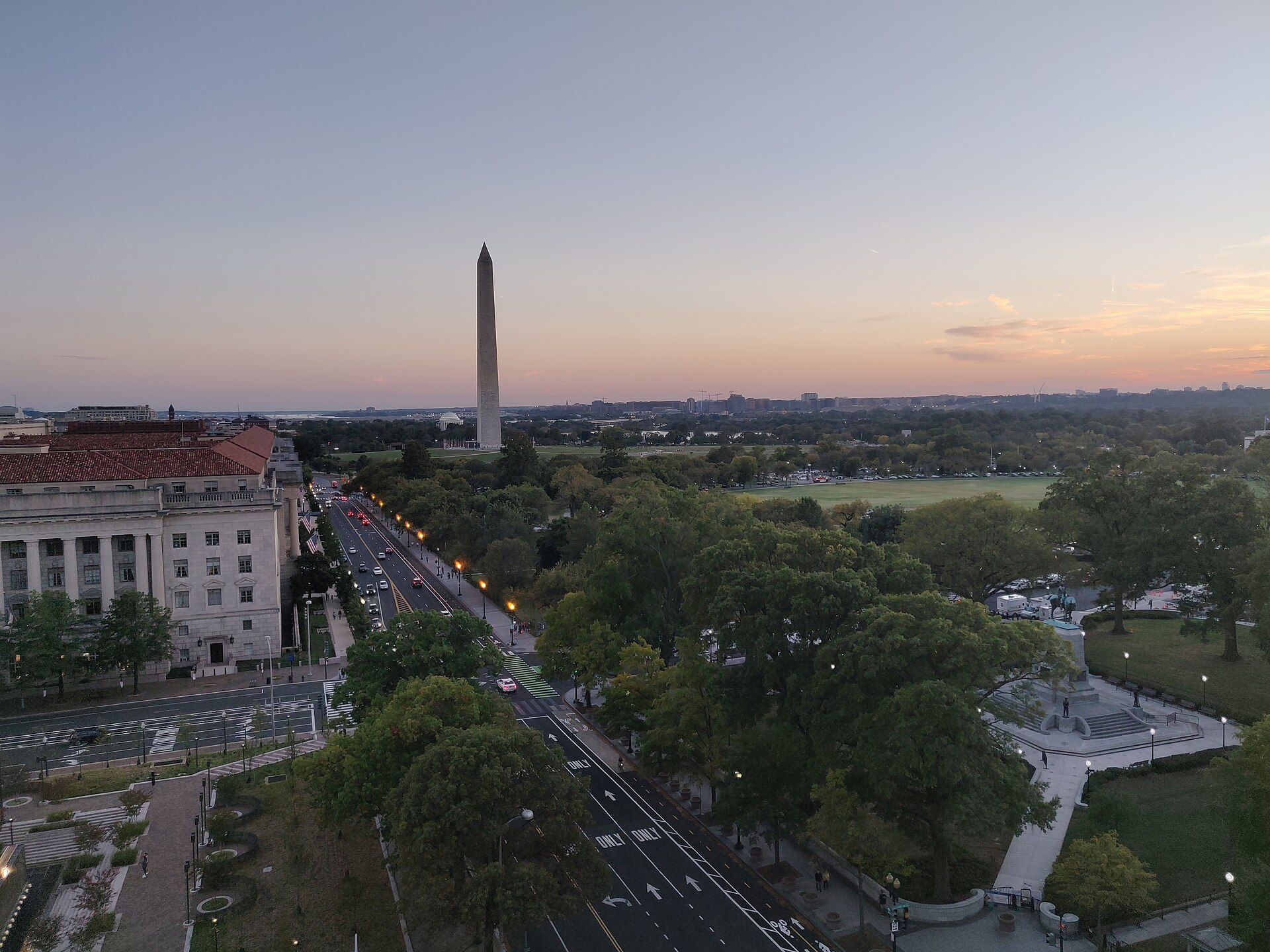
Local offices and rules in Washington
DC's Instant Permits (formerly called postcard permits) for small, pre-defined scopes can be applied for, paid and issued entirely online through the Citizen Access portal at citizenaccess.dc.gov.
Source: dob.dc.gov. Checked October 2026.
Source: dob.dc.gov. Checked October 2026.
A DOB Mechanical Permit covers installation, repair or replacement of a refrigeration or air conditioning system. Licensed contractors can pull an Instant Mechanical Permit for one new air conditioning unit up to 10 tons or repair of one existing cooling unit.
Source: dob.dc.gov. Checked October 2026.
Source: dob.dc.gov. Checked October 2026.
Homeowners of one- and two-family houses in DC may obtain an Instant Permit themselves to repair or replace the ductwork of a single HVAC system; gas-fitting instant permits for replacing one gas appliance are limited to licensed contractors.
Source: dob.dc.gov. Checked October 2026.
Source: dob.dc.gov. Checked October 2026.
Pepco delivers electricity across the District; its DC residential Schedule R applies in the District of Columbia portion of Pepco's service area.
Source: www.pepco.com. Checked October 2026.
Source: www.pepco.com. Checked October 2026.
If you smell gas, leave the house and call your gas utility from outside. Keep a working carbon monoxide alarm near the bedrooms, and do not open a furnace cabinet that is running.
Common jobs